



 130 / 231

Brasil
PackTrends
2020
130
aesthetics and identity
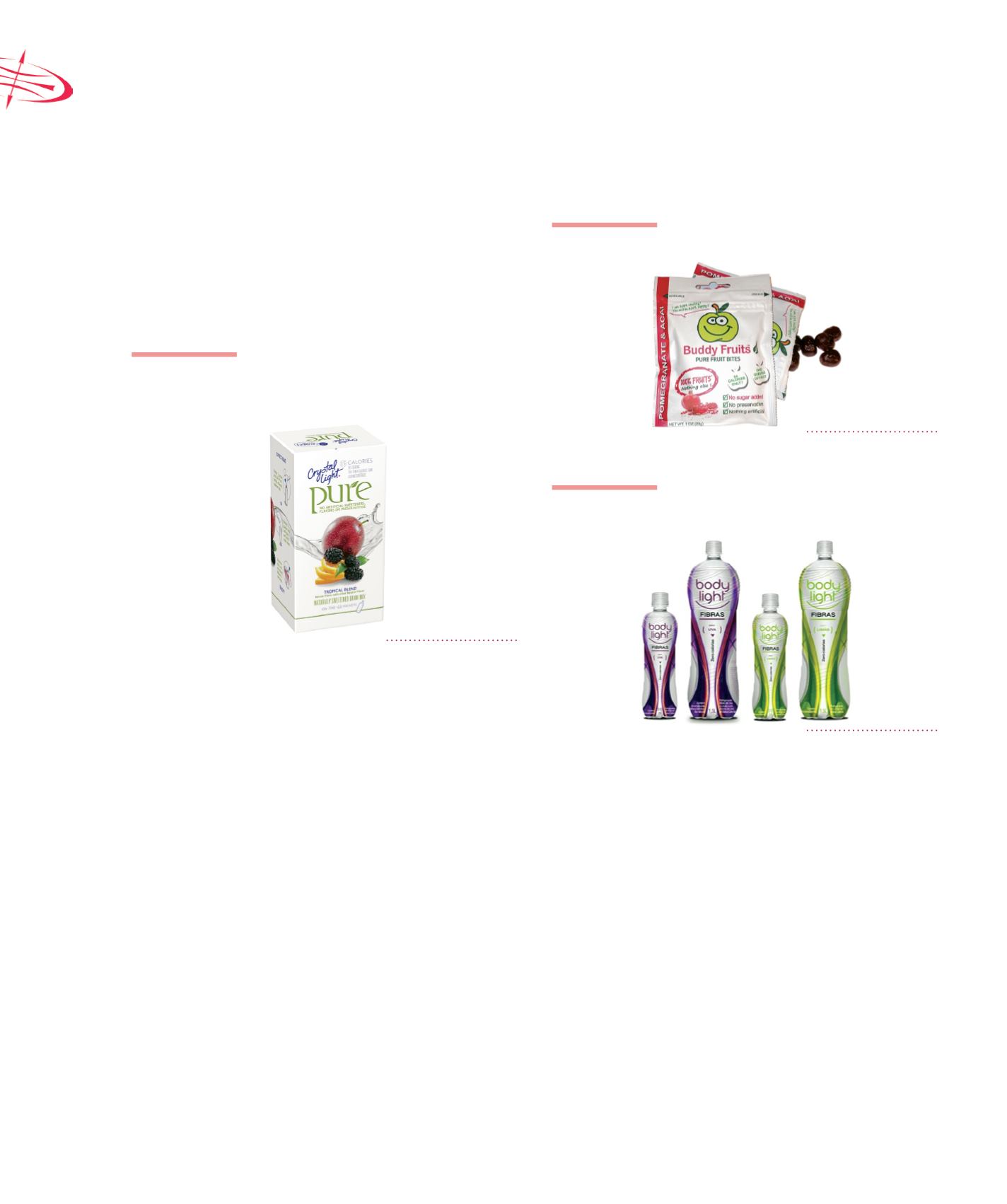
electrolytes for hydration during and after exercise, no
artificial sweeteners, no preservatives, and with 75%
fewer calories when compared to other beverages. The
product is sold in individual portions, sachets, and each
box contains six units (Figure 5.40).
FIGURE 5.40
Product with the helper
hero profile
Source: Press Release
Also in the context of health, we can find many
packaging products with the words “no preservatives”,
“no sugar added”, “no dairy”, “not genetically modified”
etc. In this case, the consumer feels more attracted to
the “no” and the “less” (better for you), and the positive
aspects of the product are highlighted by the packaging
which exercises power over the consumer’s purchase
decision (Figure 5.41). According to ANVISA, this claim
is also not permitted in Brazil, since the expressions are
not found in current legislation (ANVISA 2012).
An example of a domestic product oriented toward
health is the functional beverage
Body Light
, from an
industry in Santa Catarina, Max Wilhelm. The package
is attractive and follows the needs and expectations of
this alternative audience who cares about quality of
life (Figure 5.42). The heat shrinkable label conveys
the feeling of smoothness, the design communicates
confidence and wellness and the colors identify the
flavors, contributing to the distinction at the point of
sale (SENSAÇÃO..., 2012).
FIGURE 5.41
“Less” products (
better for you
)
Source: Press Release
FIGURE 5.42
Drinks with Fiber
Source: Press Release
Another way to explore packaging for healthy food
and beverages is to draw or design one which resembles
pharmaceuticals. This feature is named as a trend
for products with active and functional ingredients
(RAITHATHA, 2009). As an example we can mention
the drink
Protica Profect,
sold in plastic bottles in the
form of a pharmaceutical product containing 80 mL
(Figure 5.43). Each vial provides a dose of 25 grams of
hypoallergenic protein ready to drink, and in this case
the package plays an important role in communicating
the potential of the product. Raithatha (2009) states
that this new approach can significantly increase the
cost of the product and to meet the expectations of the
consumer, apart from the convincing pack, the product
must actually meet what was described on the label.