




 128 / 231

Brasil
PackTrends
2020
128
aesthetics and identity
FIGURE 5.35
Fresh products ready to
consumption
Source: Press Release
FIGURE 5.36
Products with sauce and cereals
Source: Press Release
Despite the wide availability of fruits and
vegetables in Brazil, these ready for consumption
products are still in short supply, but the change in
life-style of the population and lack of time for food
preparation is guiding us in that direction. In 2010,
the company Fugini launched the Fruta Pronta product
line, consisting of pieces of fruit in syrup packed in
sterilized plastic pots. Each package contains a single
serving of 113 grams sold in two portions (FRUTAS..,
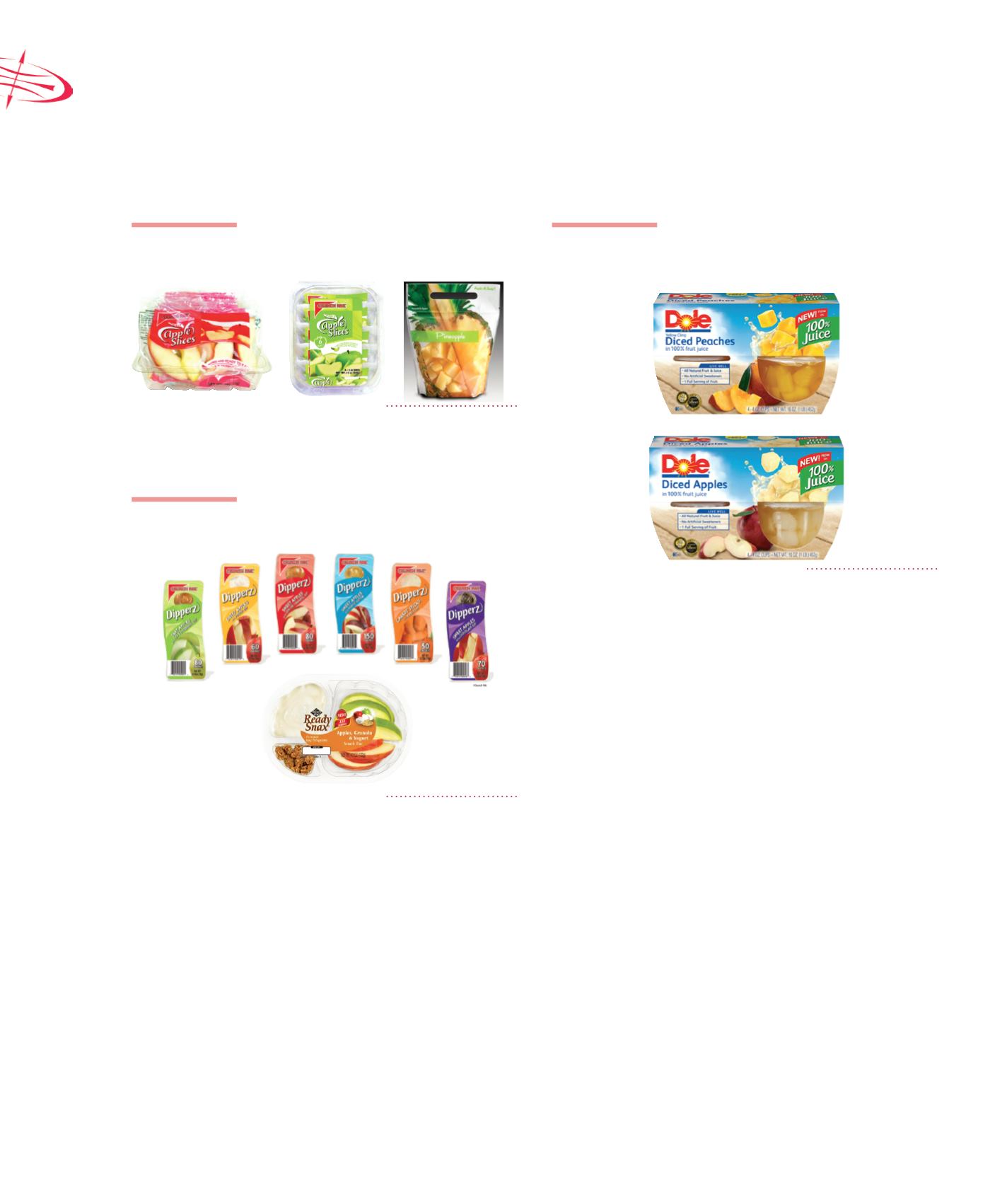
2010). The Hawaiian Dole Food Company for years has
in its portfolio canned natural fruit juice, also using
sterilized plastic packages, but the brand emphasizes
that the product is “all natural” and without artificial
sweeteners (Figure 5.37).
FIGURE 5.37
Fruits in syrup for quick
consumption
Source: Press Release
Still in the natural aspect can observe an overlap
of concepts among consumers regarding the products
“organic” and “natural”. According to Decree No.
6323 of 27 December 2007, the organic agricultural
production is one in which they adopt specific techniques
by optimizing the use of natural and socioeconomic
resources available and respect for cultural integrity of
rural communities, aiming at economic and ecological
sustainability, maximizing social benefits, minimizing
dependence on non-renewable energy, using, where
possible, cultural, biological and mechanical methods
(BRASIL, 2007). Thus, it is possyble to say that the
concept of organic food is quite broad and its principles
are related to health issues, environmental and social.
In the market for organic products, innovative
packages don’t prevail and few products have different or
unique packages, an aspect that could be better explored
by segment. Among these products we can mention the
mascara Organic Wear by Physicians Formula displaying
the colors and format that refer to the environment.
The color of the tube resembles recycled papers and
the cover is shaped like leaves. Another example is a
Spanish balsamic vinegar, LA Organics, marketed in
glass packages produced on a small scale and therefore
costly (EMBALAGENS.... 2012) (Figure 5.38).