




 202 / 231

Brasil
PackTrends
2020
202
sustainability & ethics
environmental impacts and carbon emissions (CARBON
TRUST CERTIFICATION, s.d.).
Another strong trend in the package sector is the
adoption of the environmental autodeclaration for the
companies, aiming at making public the environmental
improvements obtained along a product or service life
cycle. Although the autodeclaration may offer flexibility
and autonomy, as it does not demand the certification
by a third part, the companies should make responsible
declarations that might be verified and based on
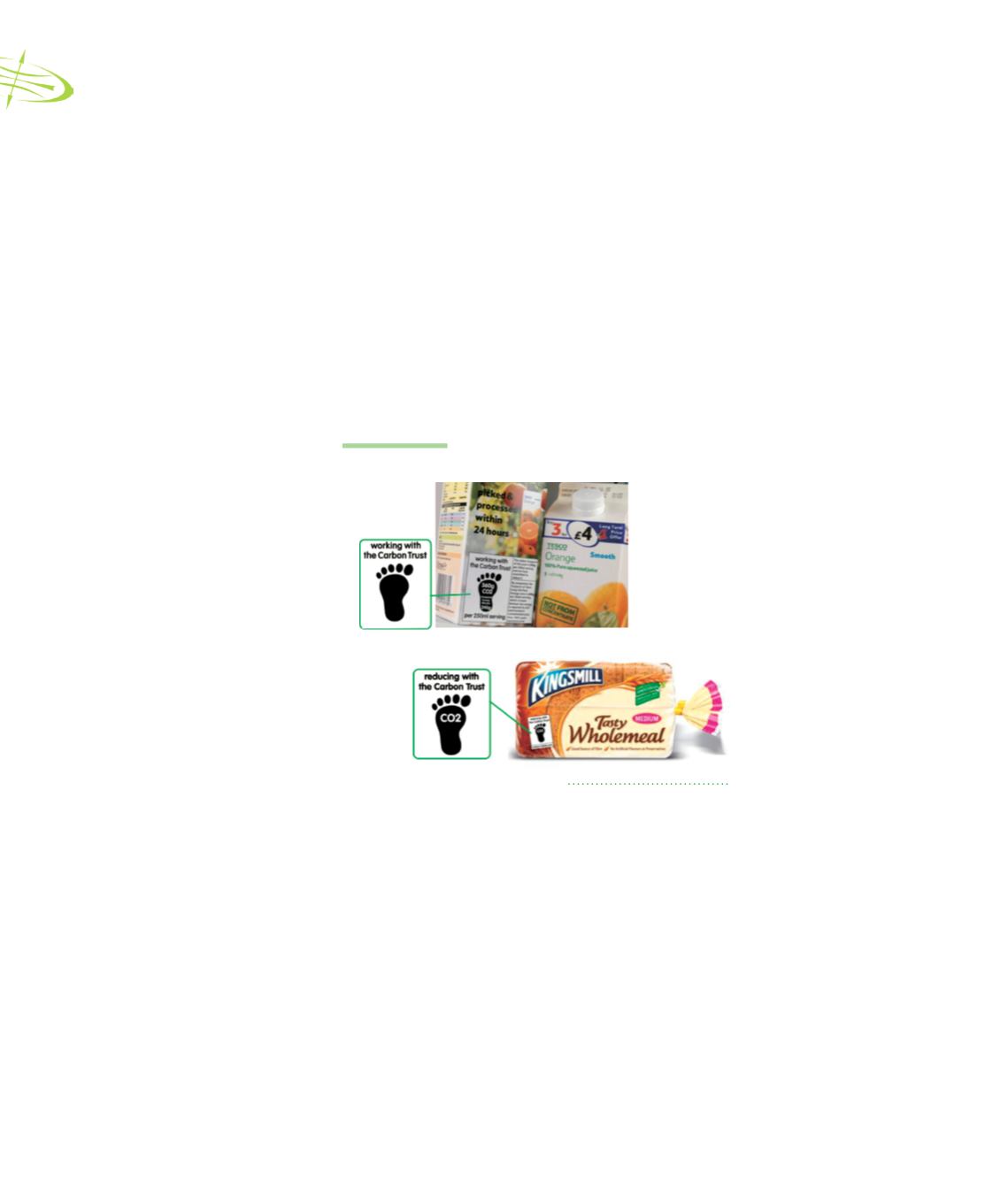
PICTURE 7.30
Uses of the Carbon Trust label
Source: Press release
The consumer search for products with less
environmental impact has helped the intense
investment by the companies in marketing with
environmental appeal. That “green” market trend has
stimulated companies to use the moment to associate
their products to dubious and opportunist ecofriendly
attributions, with no clear criteria that back them up in
their environmental pretensions, or even to symbols and
visual appeals that can induce the consumer to wrong
conclusions about a product or service. Those appeals
that are presented as fake or induce the consumer to
wrong conclusions about a product or service have been
called by Greenwashing (COLTRO, 2010).
Aiming at describe, understand and quantify the
growth of the Greenwashing in the market, the Canadian
environmental marketing consultancy TerraChoice has
developed a research methodology and face the text
on the packages with orientations about environmental
autodeclarations established on the ISO 14021
standard (INTERNATIONAL..., 1999). On that report,
such fake or dubious appeals were classified in seven
categories, called The Seven Sins of Greenwashing:
Greenwashing
scientific rigor. That kind of declaration is called Type II
Environmental Labeling and can be found standardized
by the ABNT NBR ISO 14021 (ABNT, 2004a), which
presents the policies for the use of texts, symbols, and
graphs associated to the publicizing of a product or
service environmental improvements. Texts with vague or
not specific declarations, for example, “environmentally
safe”, “environmentally friendly”, “Earth friendly”, “do
not pollute” and “ozone layer friendly” should not be,
anyhow, used (ABNT, 2004a).