




 201 / 231

Brasil
PackTrends
2020
201
sustainability & ethics
responsible for the definition of forest certification
criteria all over the world, attesting that the product is
from an ecologically handled forest, socially fair and
economically viable (BRAZILIAN COUNCIL OF FOREST
HANDLING, s.d.; INMETRO, s.d.).
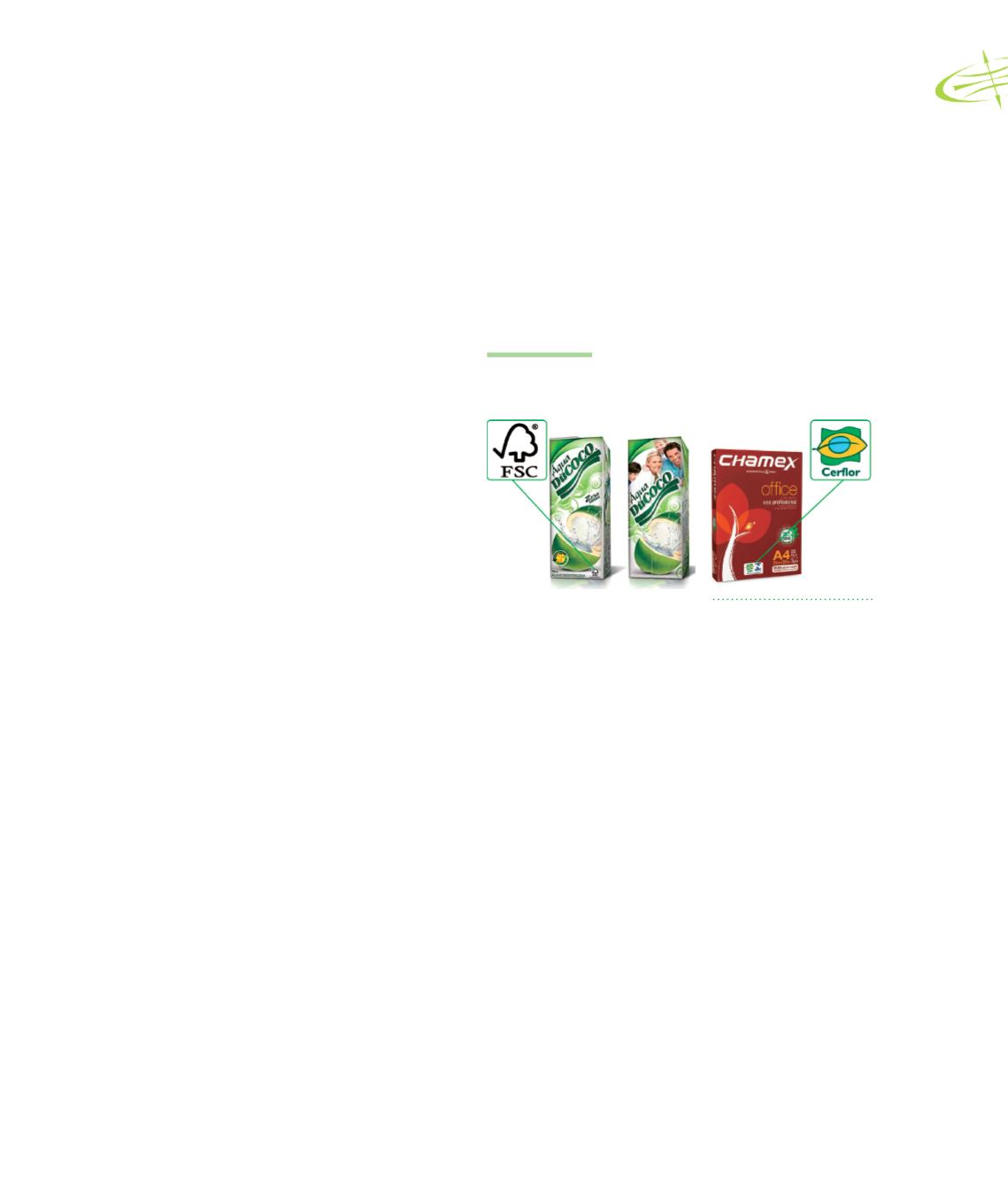
PICTURE 7.29
Products with ecolabel to
cellulosic materials
Source: Press release
The English company Carbon Trusts has obtained
notability in the world offering consultancy for the
reduction of the use of energy and carbon footprint.
Besides the commercialization of low carbon technology,
the company also offers the Carbon Trust independent
certification, which involves the verification of the
carbon footprint associated to a product or service. The
carbon footprint is related to the knowledge and to the
measurement of all the greenhouse gases emissions,
measured in equivalent CO
2
, during the whole life
cycle, from the raw material production, transportation,
fabrication until the final disposal. That initiative helps
the company to identify the points for cost reduction
and opportunity for developing new products. When
they clearly communicate their initiatives related to the
carbon footprint, it brings an increase on the trust and
reputation of the brand, which helps to increase sales.
Two categories of labels can be used (Picture
7.30): the label Working With the Carbon Trust, which
indicates the efforts for measuring the carbon footprint
of a product or service and the label Reducing with
the Carbon Trust, which indicates the commitment
of the company or sector with the reduction of the
environmental performance of products and services,
with a great importance for the implementation of
environmental policies aimed to consumers, helping them
at choosing products less aggressive to the environment.
The “green label” is generally given by a national
certification organ (third part) and is based on multiple
criteria from studies of Life Cycle Assessment of a
given sector, with focus on reducing the environmental
impacts associated to the selected product category.
In Brazil, the Brazilian Association of Technical
Standards -ABNT, offers the ABNT’s Ecolabel or green
label, through the Ecolabeling Program, represented by
the “hummingbird”. There are some products categories
in Brazil that use the ABNT ecolabel, for example, the
products for hand hygiene aimed to the institutional or
professional market (Gojo Latin America Ltd.), reformed
tyres (Paludo Pneus), steel products for civil engineering
(ArcelorMittal), offset paper for printing (International
Paper) and furniture for offices (DIV Design), among
others (ABNT, s.d.).
The certification of cellulosic materials by
internationally recognized agencies have become a
more intense reality in Brazil and around the world day
by day (Picture 7.29), highlighting the label Forest
Stewardchip Council (FSC), applied on the cellulosic
packages sector. The Brazilian Program of Forest
Certification (Cerflor), applicable nationwide, prescribed
on the standards elaborated by ABNT and integrated
to the Brazilian System of Conformity Assessment and
to the Inmetro is another forest certification program
used in Brail, internationally recognized by the
Programme for the Endorsement of Forest Certification
(PEFC), an international organization that congregates
systems of forest certifications all over the world.
Both programs attest the sustainable forest handling
and the traceability of the custody chain, offering to
the consumer the guarantee that the product follows
criteria based on practices that promote the biodiversity
preservation, responsible use of forest resources and
the maintenance of soil, air and water quality. They
still analyze the actuation of the companies in the
economical and social development of the region
where they work at. They are governments’ entities