




 199 / 231

Brasil
PackTrends
2020
199
sustainability & ethics
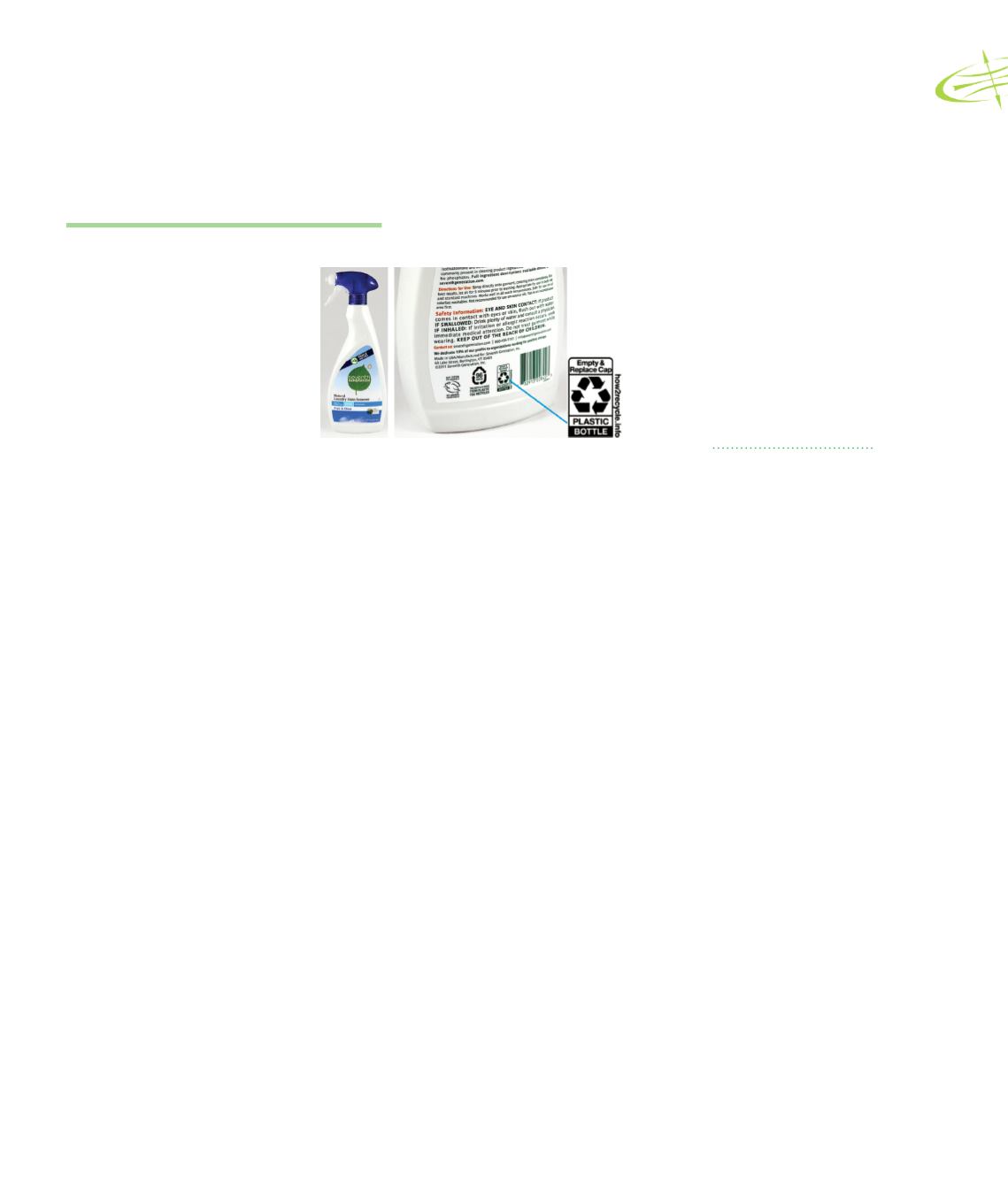
PICTURE 7.26
How2recycle label used on the Seventh Generation remover
Source: Press release
In a globalized world, with the strengthening of
social networks and the importance of end´s consumer
awareness, many manufacturers already noticed the
need of having a wider attitude along the society,
extending the responsibility concerning their products
to beyond their gates. Such a movement has been
called by Extended Producer Responsibility (EPR).
The publication of sustainability reports, according
to the GRI Initiative, it is a practice incorporated by the
companies that have a commitment to the sustainable
development and already have put into practice the
EPR principles. The initiatives involve actions all over
the production chain. GRI has been conceived so it is
possible to communicate in a clear and transparent way
the entrepreneurial action of economic, environmental
and social range, according a lead which the company
can be compared both internally and externally. GRI
involves principles of balance, comparability, exactness,
periodicity, reliability and clearness (GLOBAL
REPORTING INITIATIVE, 2011).
Coca-Cola has clearly positioned themselves this
way, because they have figured out that the ones that put
into practice the principles of sustainability have a “social
license” to operate, once the importance of being more
sustainable is a value clearly noticed by the consumer.
The inclusion of environmental policies is also related to
the security of the existence of raw material (Resource
Security) that it will consume in the next 10, 20 or 50 years.
Among their policies on the way to make their packages
more sustainable, we can highlight: weight reduction of
PET packages, aluminum, steel and glass, elimination of
inefficiencies on the packaging processes, reduction of
waste sent to landfills, use of recycled materials (PET) and
the development of new materials from renewable sources
such as Bio PET for the Plant Bottle. Besides the direct
actions on the package, there are actions related to water,
logistics, energetic efficiency of the drinks refrigerators at
the points of sale and the information to the consumer,
among others (COCA-COLA, 2009).
The 2001 Dow Chemistry’s sustainability report
(DOW, 2011), which received the A+ codification for
having been validated by a third part, it shows on the
cover their involvement with eolic energy generation,
healthier oils and the extension of the shelf life of fruits
and vegetables. On the report are shown some initiatives
such as improvement of their energetic efficiency,
publication of the risk and safety assessment of their
products, removal of trans and saturated fat, their
levels of carbon reduction, involvement for biopolymers
production from sugar cane, their emissions to the air,
water and solid waste, number of accidents, diseases,
employee training, respect for human rights, gender
equality and relations with suppliers and society, among
others.
Besides the corporative publications, the
extended responsibility has been made public through
7.6 CREDIBILITY & ETHICS