




 82 / 231

Brasil
PackTrends
2020
82
package trends
3.7 SAFETY AND REGULATORY ISSUES
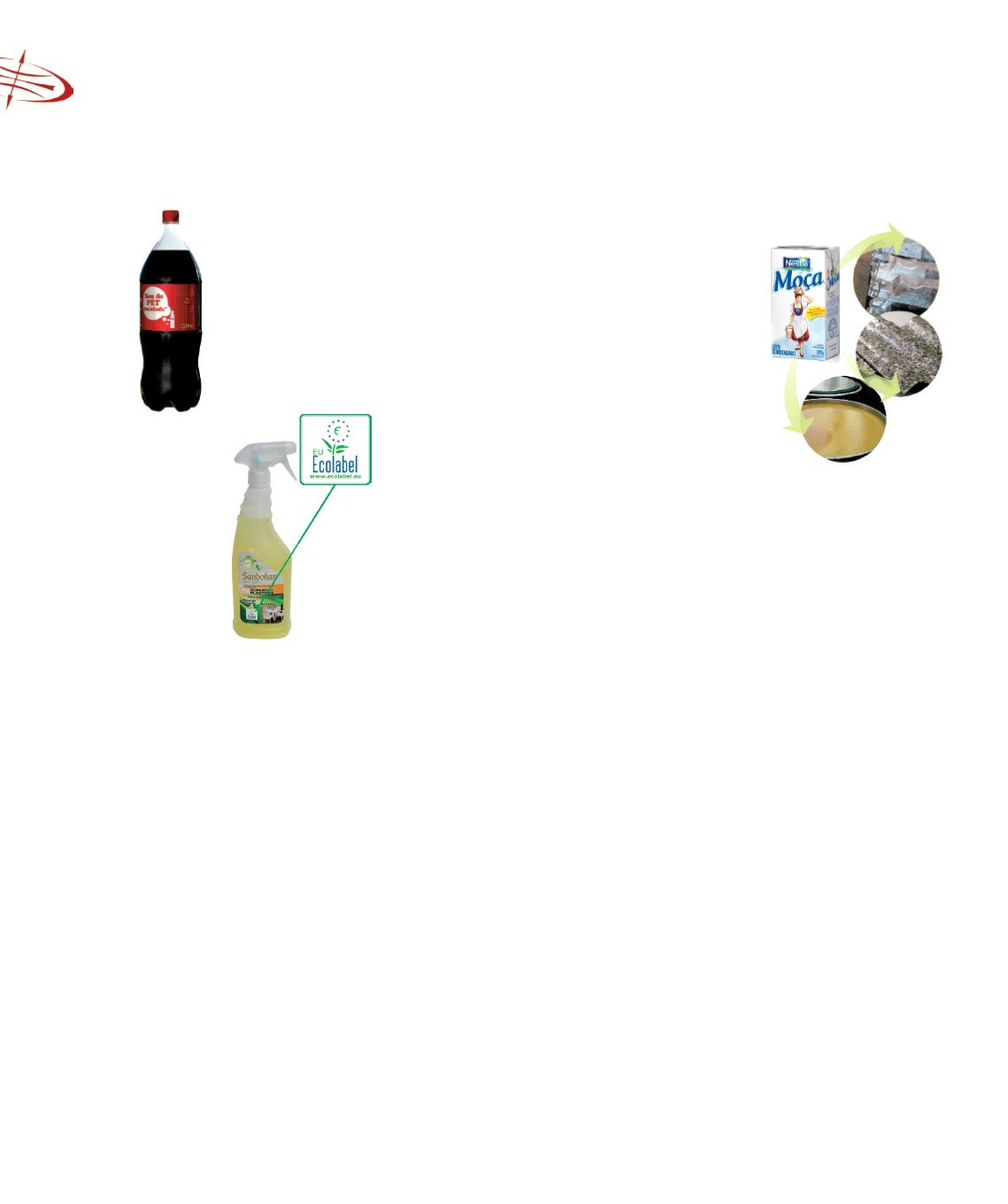
Reuse & Recycling:
encouraging the use
of recycled materials reduces the
consumption of natural resources
and is generally associated with lower
energy consumption and emissions.
The reuse of packages increases
its durability and also amortizes its
environmental cost.
Waste Management & Reverse Logistics:
the National Policy of Solid
Waste (NPSW) establishes a
shared responsibility between
manufacturers, importers,
consumers and public authorities
in the proper disposal of waste
generated. The waste generated
must have chains of destination
and/or reusing established and
economically viable.
Credibility & Ethics:
environmental marketing supportted by internationally proven
metrics is a powerful tool for consumer information. Credibility has been attested
by the use of standardized environmental labels and declarations and also by
certifications avoiding the Greenwashing.
Food safety is a topic that is of interest on all
consumers, regardless of purchasing power. In a
globalized world, where communication and media
are privileged and information flows at great speed,
the dissemination of news and information about
food safety, whether correct or not, affects millions of
consumers, making them more attentive, demanding
and informed.
The current consumers want to rely on a certain
brand and product and want to be sure and confident
that they are getting a quality product and that the
consumption of this product will not cause any health
problems in the short or long term.
The package is crucial to ensure the safety, quality
and reliability of food products, while maintaining the
desired shelf life, the correct transportation and sales,
informing consumers about the safety and nutritional
value of the product, the date of manufacture or
expiration date, the location of the food manufacturer
and instructing on how to prepare the food.
In this context, the package cannot be a source
of chemical, physical or microbiological contamination
of the food.
The chemical composition of the package is
critical to consumers’ safety. The substances which are
part of the package composition must have the toxicity
and potential , risk of migration into foods studied,
so that the consumers’ exposure to such substances
can be evaluated and their risk known and controlled.
Laws based on risk and consumer exposure to these
substances were and are designed to control chemical
and toxicological contamination of packages and protect
the health of consumers.
The physical and microbiological contamination
is mainly related to processing, handling and storage,
and must be controlled by process safety management
systems and quality certifications.
Sophisticated analytical techniques and