



 83 / 231

Brasil
PackTrends
2020
83
package trends
mathematical modeling with parameters closest to
real situations are applied to estimate the migration
of package components to food. Mooever, studies
are conducted to assess consumer exposure to these
migrants to address the lack of more realistic data
(OLDRING, 2010).
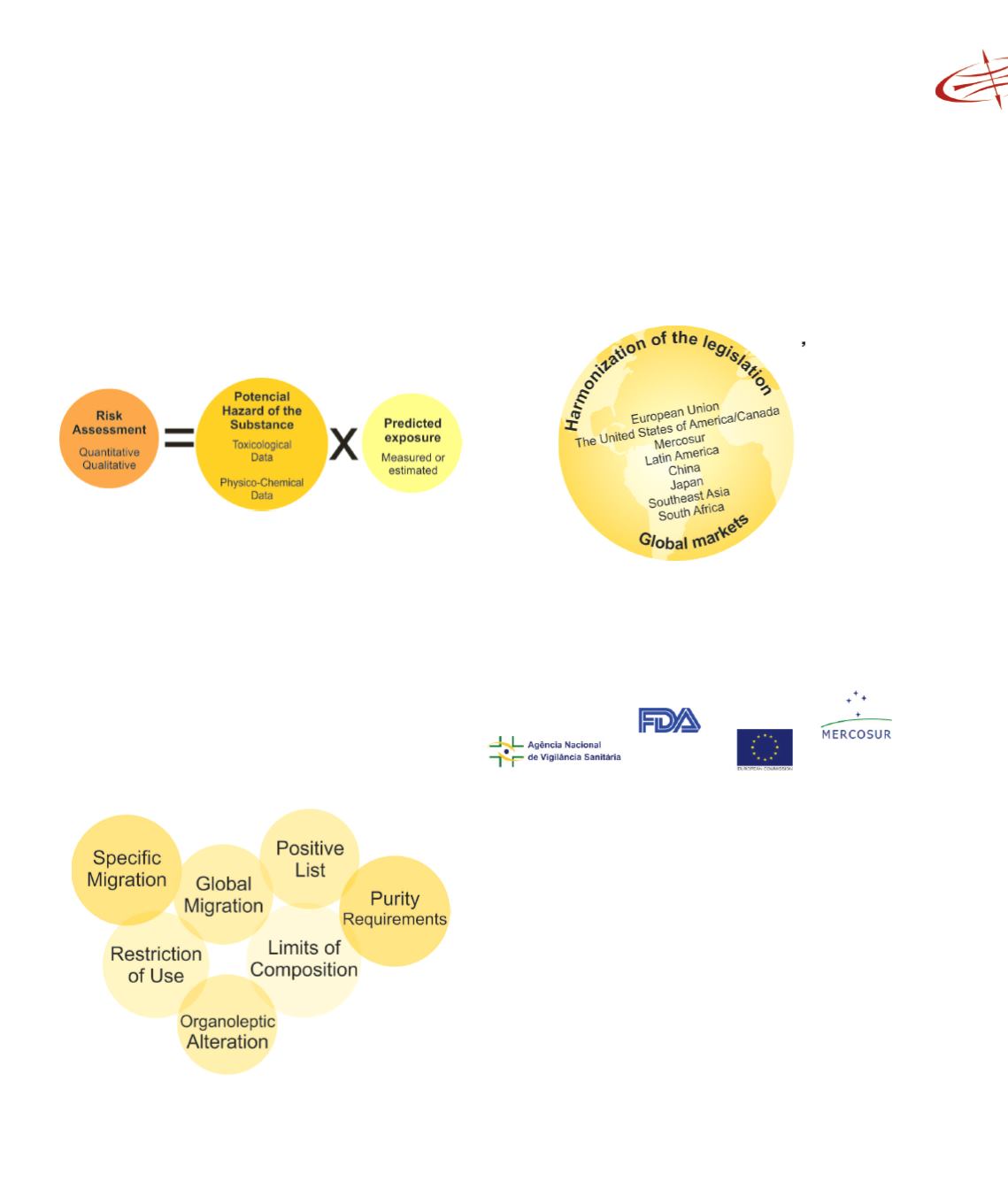
The laws
for package materials for food contact are
designed to ensure consumer safety through control of
chemical contamination due to the migration of package
components to the product.
They are constantly evolving to incorporate
new substances and new technologies such as active
packaging, post-consumer recycled materials and
nanomaterials, and are revised to incorporate new
interpretations based on scientific and technological
knowledge. All materials in direct contact with food
must demonstrate compliance with the requirements of
the laws.
Declarations of Compliance are required in
order to transfer information and to formalize the
responsibility of the package material manufacturer and
ensure correct use in the conditions set out.
The laws vary among countries and efforts for
harmonization, implementation and mutual recognition
are expected by importers and exporters of food and
food packaging in world trade.
Process Safety Management Systems
are efficient
mechanisms to bring about transparency and continuous
improvement of package manufacturing processes and
include:
• GMP - Good Manufacturing Practice and application
and validation of HACCP - Hazard Analysis and
Critical Control Points.
• Certification
of quality systems based on international
standards BRC-IoP, FSSC 22000 (ISO 22000 and
PAS 223); ISO 22000, IFS PACSecure, among other
standards and systems.